

 Image 1 of 2
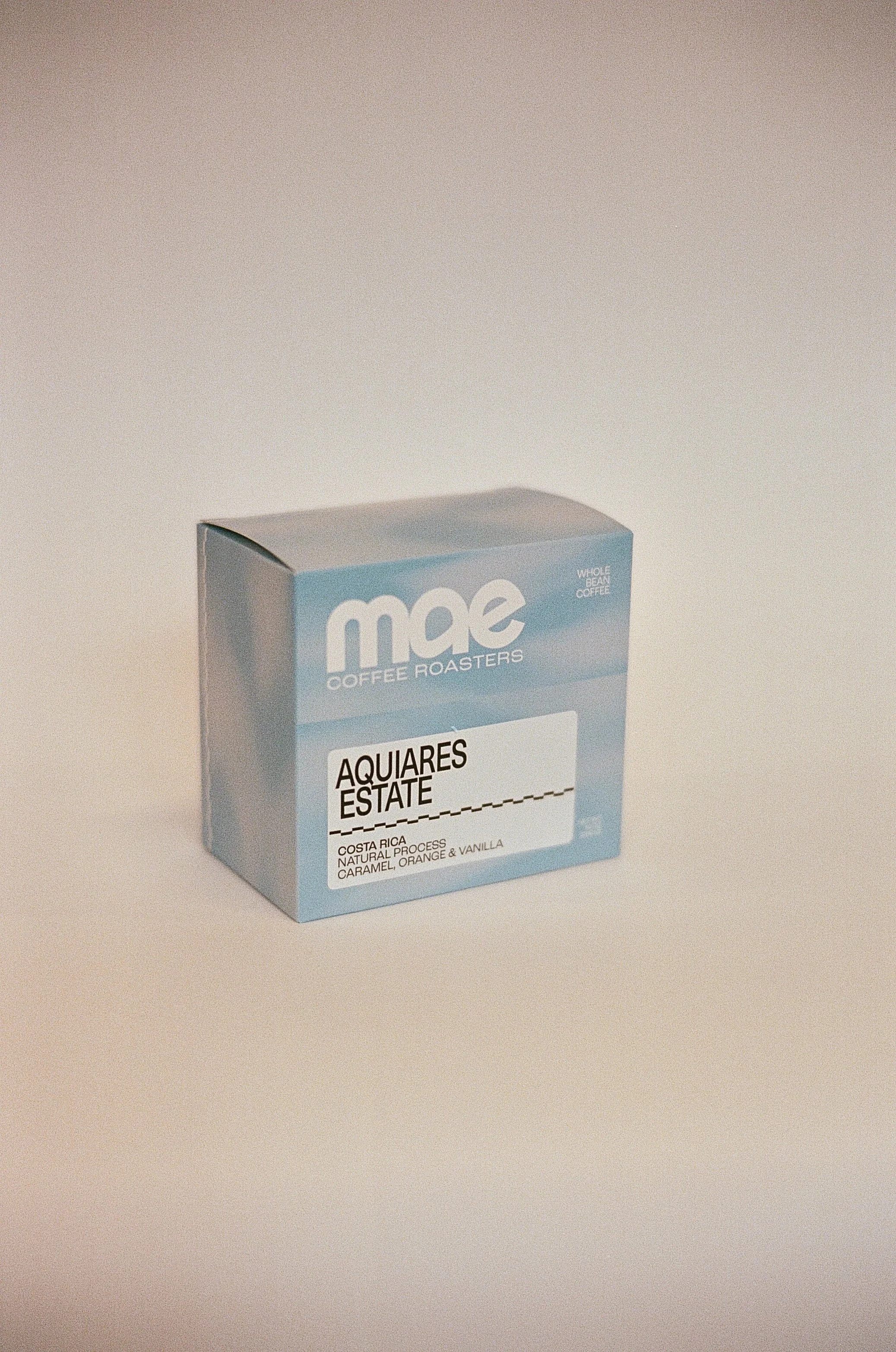 Image 2 of 2
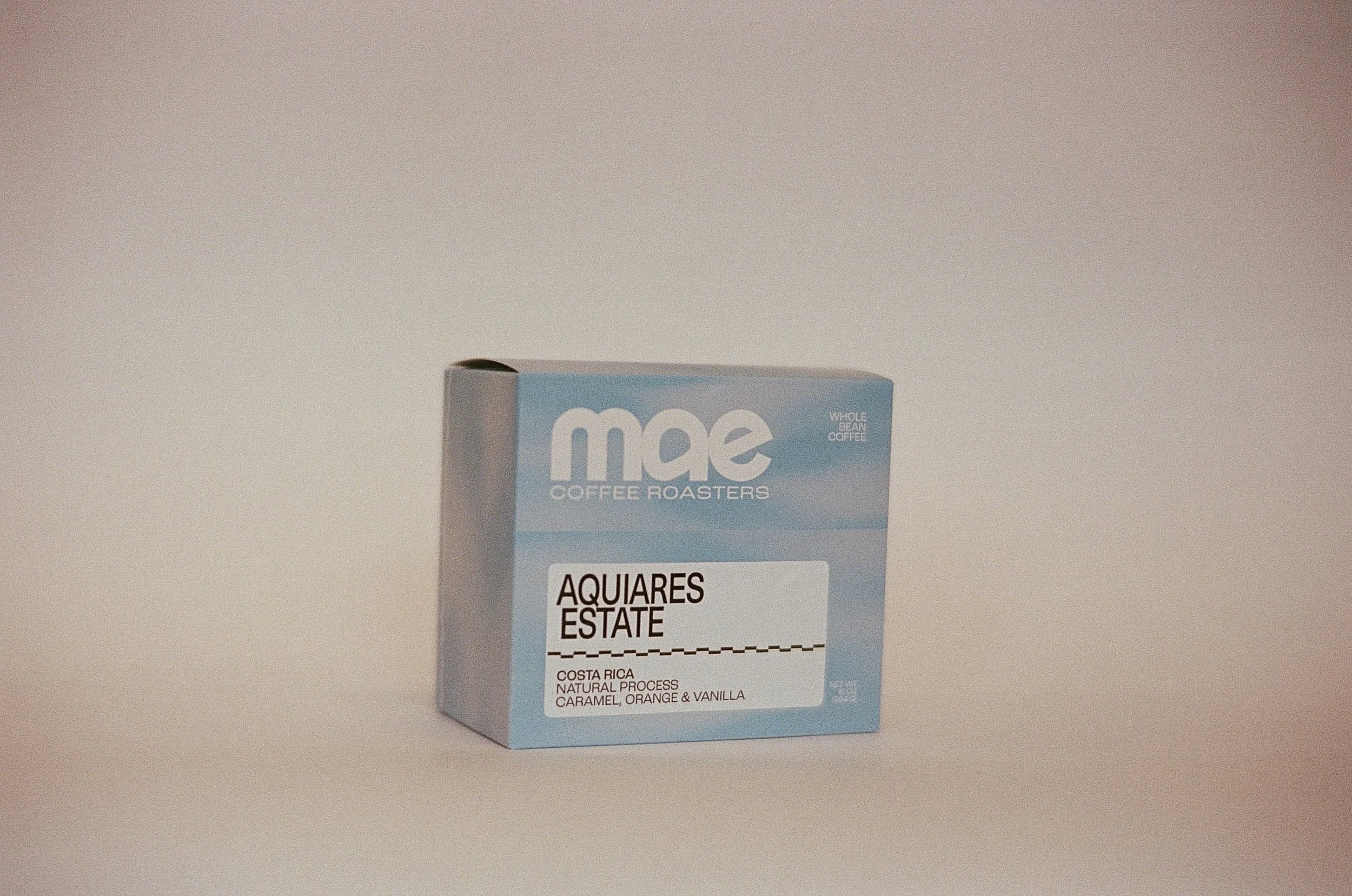
Aquiares Estate, Costa Rica
Tasting notes: Caramel, Orange & Vanilla
Process: Natural
Producer: Diego Robelo
Farm: Aquiares Estate
Region: Turrialba
Variety: Esperanza F1 Hybrid
Alt: 1200 masl
Much like the natural lot from Aquiares Estate that we purchased last year, Diego Robelo has outdone himself once more. This year, we have purchased a different varietal, that being a Esperanza F1 Hybrid. Taking a Sarchimor T-5296 and a wild Ethiopia (ET25) varietal, and crossing them, produces a F1 Hybrid Esperanza varietal. This varietal has complex and sensitive nutritional need, in which the climate of Aquiares Estate is suited.
Diego takes the coffee and puts the cherries in water to remove floater and defects, post picking, then dries the coffee with pulp intact. This is a two day period, turned twelve, as after the first two days, the lot is moved from ceramic floors to raised beds. Following these twelve days, the coffee is processed one full day in a mechanical drying process before being depulped, milled and sent out.
We love coffees like this one, as they represent natural processing so well. With sweet red fruit, loud body and a creamy like texture, this coffee is florescent in its’ notes. Great for filter or espresso, we find this coffee has a sugary like profile which pairs amazing in cocktails or on its own, in these cooler winter months.